How thoughtful garden design can support independence, wellbeing and a lifelong connection with nature
Introduction
For many people, the garden is one of the most treasured parts of their home.
It is a place to relax, a place to grow things.
A place to spend time outdoors and a place where memories are created.
For some, gardening is a lifelong passion. For others, the garden simply provides a peaceful connection with nature and the changing seasons.
However, as life changes, gardens can sometimes become more difficult to enjoy.
Steps, uneven surfaces, maintenance demands and inaccessible layouts can gradually create barriers, but the answer is not necessarily to stop using the garden.
With thoughtful design, gardens can evolve to remain beautiful, practical and enjoyable for many years.
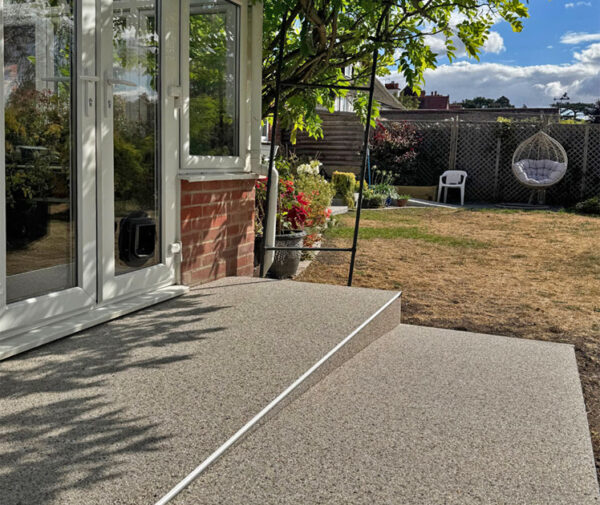
Why Gardens Matter
Outdoor spaces provide benefits that go far beyond appearance.
A garden can support:
- Physical Wellbeing: Gentle movement, fresh air and time outdoors.
- Mental Wellbeing: A connection with nature can provide relaxation and enjoyment.
- Purpose and Routine: Gardening and outdoor activities create structure and engagement.
- Social Connection: Gardens provide places for family and friends to spend time together.
A well-designed garden supports the whole person.
When Gardens Become More Challenging
Many traditional gardens were designed at a different stage of life.
They may include:
- steps between levels;
- narrow pathways;
- uneven paving;
- difficult surfaces;
- limited seating;
- areas requiring significant maintenance.
Over time, these features can reduce confidence.
Someone who once loved their garden may begin using it less.
Not because they no longer value it. Because the environment has become harder to navigate.
Accessible Garden Design Is About Enjoyment
An accessible garden is not simply a garden with easier access. It is a garden designed around how people want to live.
It considers:
- movement;
- comfort;
- safety;
- enjoyment;
- personal interests.
The objective is not to remove character. It is to make the garden more usable.
Creating Better Access
One of the most important considerations is the journey through the garden.
A successful accessible garden may include:
- Smooth, Stable Pathways: Creating comfortable routes that are easier to navigate.
- Thoughtful Layout: Reducing unnecessary obstacles and improving flow.
- Suitable Materials: Choosing surfaces that balance appearance, practicality and safety.
- Good Lighting: Helping people use outdoor spaces confidently.
Access should feel natural.
A pathway should invite people into the garden, not remind them of limitations.
Designing Spaces Around Activities
The best gardens begin with a simple question:
“What do you want to do here?”
Different people value different experiences.
A garden may need to support:
- gardening;
- entertaining;
- relaxation;
- wildlife watching;
- hobbies;
- exercise;
- family activities.
The design should reflect the person’s lifestyle.
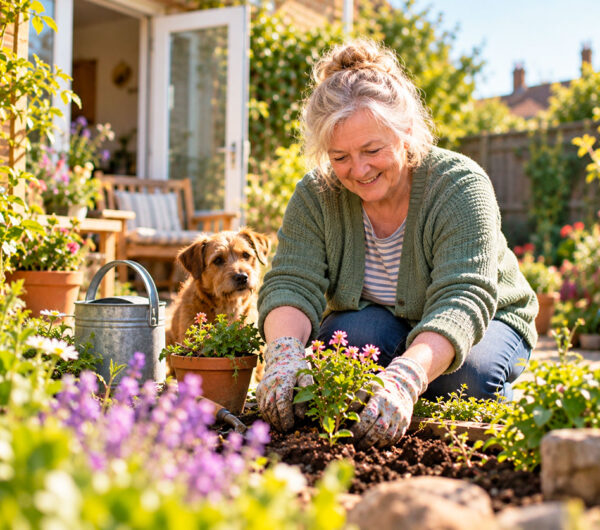
Keeping Gardening Enjoyable
For many people, gardening is about more than plants.
It is a connection with something meaningful.
Accessible garden design can help people continue gardening through features such as:
- raised planting areas;
- comfortable working heights;
- accessible paths;
- seating nearby;
- easy-to-maintain planting schemes.
The aim is not to remove gardening, it is to make gardening possible.
Creating Places to Rest and Enjoy
A garden should encourage people to stay.
Comfortable seating areas are an important part of accessible outdoor design.
Consider:
- sheltered areas;
- good positioning;
- views of favourite parts of the garden;
- easy access;
- comfortable surroundings.
A place to pause can make the difference between a garden someone passes through and a garden someone enjoys.
Designing for All Seasons
A garden that works only in summer provides limited value. Thoughtful design considers year-round enjoyment.
This might include:
- sheltered areas;
- appropriate planting;
- lighting;
- weather protection;
- easy maintenance.
The goal is to make outdoor living more accessible throughout the year.
Gardens as Family Spaces
A great garden benefits everyone. It becomes a place where:
- grandchildren play;
- families gather;
- friends visit;
- memories continue.
Accessible design helps ensure that everyone can participate.

Low Maintenance Does Not Mean Low Enjoyment
As people get older, maintaining a garden can become more demanding. However, reducing maintenance does not mean losing personality.
Good design can include:
- carefully selected plants;
- practical layouts;
- manageable areas;
- attractive features requiring less upkeep.
A garden should provide enjoyment, not become a burden.
Planning for the Future
The best time to improve a garden is before it becomes difficult to use.
Planning ahead allows:
- better design;
- more choice;
- greater personalisation;
- smoother integration.
A future-ready garden can continue evolving with the people who enjoy it.

How The Accessible Living Company Can Help
We believe accessible gardens should begin with the person, not the challenge.
We consider:
- how you use your garden now;
- what you enjoy doing;
- what you want to continue;
- what would make outdoor life easier.
Our expertise includes:
- Accessible landscaping
- Accessible garden rooms
- Sensory gardens
- Accessible annexes
- Pathways and access improvements
From pathways and landscaping to garden rooms and outdoor living spaces, we create gardens designed around life.
Frequently Asked Questions
Does an accessible garden have to look different?
No. The best accessible gardens are beautiful, personal and designed to fit naturally with the property.
Can existing gardens be adapted?
Yes. Many gardens can be improved without removing the features people love.
Are accessible gardens only for wheelchair users?
No. Accessible gardens can benefit people of all ages and abilities.
Can I still have a beautiful garden that is easy to maintain?
Absolutely. Good design can balance beauty, enjoyment and practicality.
What our Customers Say...
Who We Work With
We work for homeowners and families as well as professionals and institutions, but they all share one goal; creating environments that work better for the people who use them.
Whether you're planning a private home adaptation or a large-scale commercial project, we're here to help.
Our Process
A Simpler Way to Transform Your Outdoor Space

Step One - Let's Talk
Tell us about your property, your lifestyle and what you'd like to achieve.

Step Two - Design
Our specialists create a bespoke proposal tailored to your needs.
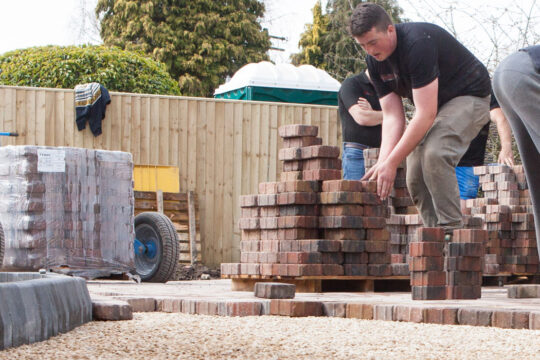
Step Three - Build
Our experienced installation teams bring your project to life with minimal disruption.
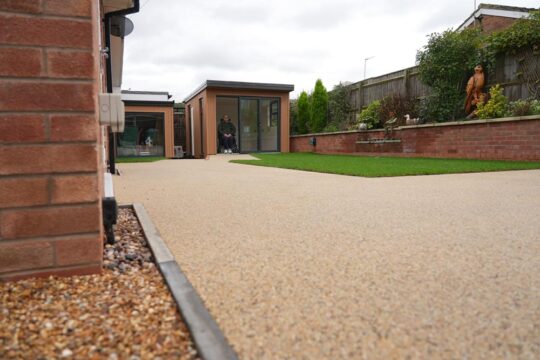
Step Four - Enjoy
Enjoy a beautiful outdoor space designed around your life for years to come.
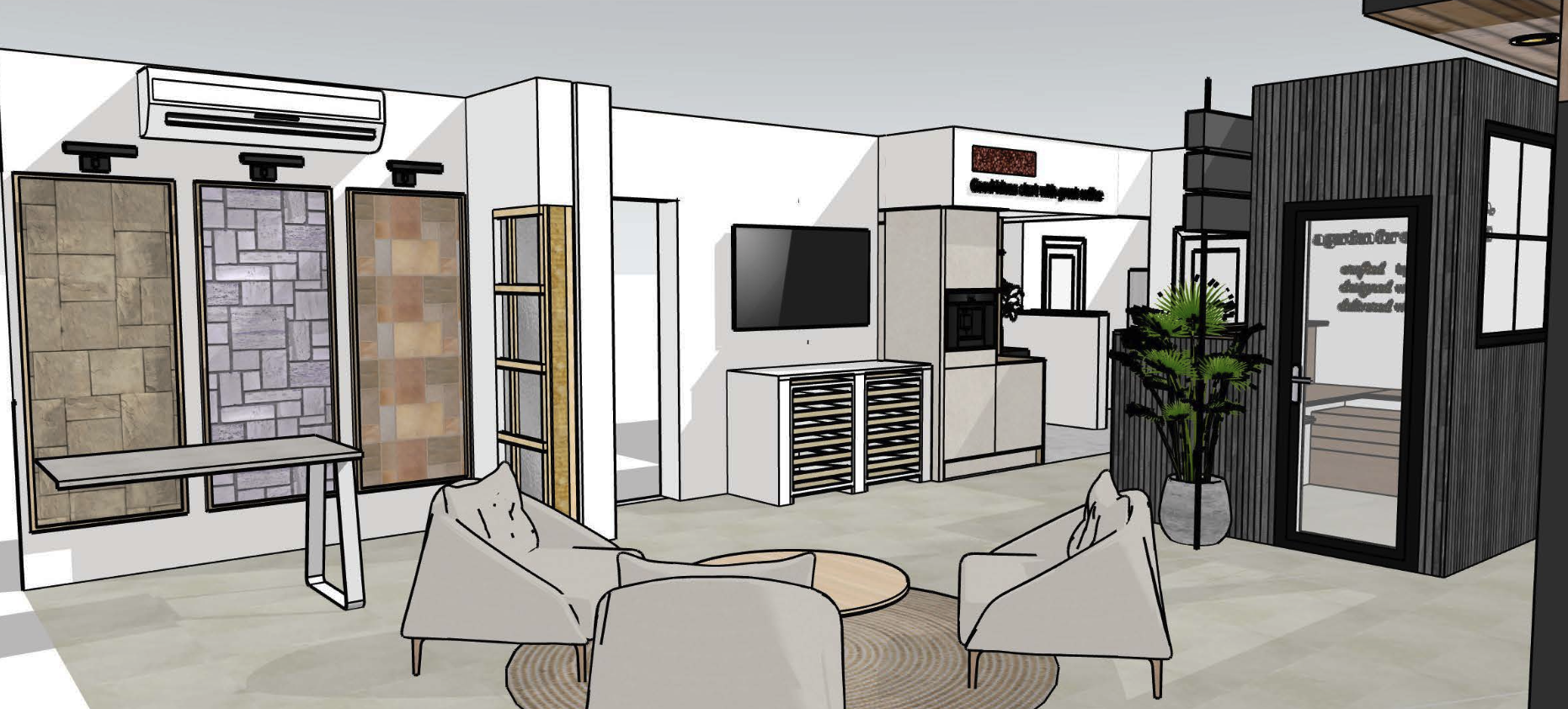
Our new Design Centre opens in October 2026
The showroom will provide a personalised design service where clients will explore large-scale samples, get inspiration and ideas, and choose concepts to develop together.
Designs are presented as 2D and 3D illustrations. In the near future, we will introduce a VR Show Stage, allowing virtual walkthroughs in real time.

Inspiration - Every project tells a different story.
Discover how we've helped homeowners, families, care providers and organisations create outdoor spaces that improve everyday living.
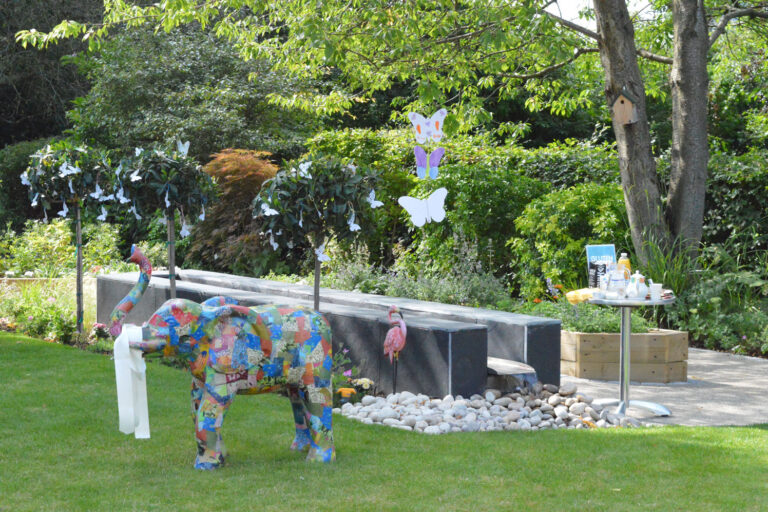
Creating a Fantastic New Garden for Helen & Douglas House, Oxford
Darren Field was called in to quote for a new garden for Helen & Douglas House Oxford, and it ended in a “DIY-SOS” style community…

Accessible Resin Driveway and Porcelain Patio, Abingdon
Sarah wanted to transform her driveway and garden to create a safer, more practical and accessible space for herself and her disabled mother.

Garden Room with Accessible Landscaping, Coventry
Building and landscaping an accessible, usable and comfortable garden space complete with Garden Room for wheelchair user Malcolm.

DIY SOS – Contributing an Accessibility Ramp to a Bracknell Project
New Driveway Company recently had the privilege of taking part in The BBC’s DIY SOS, contributing our labour and expertise towards the transformation of a…
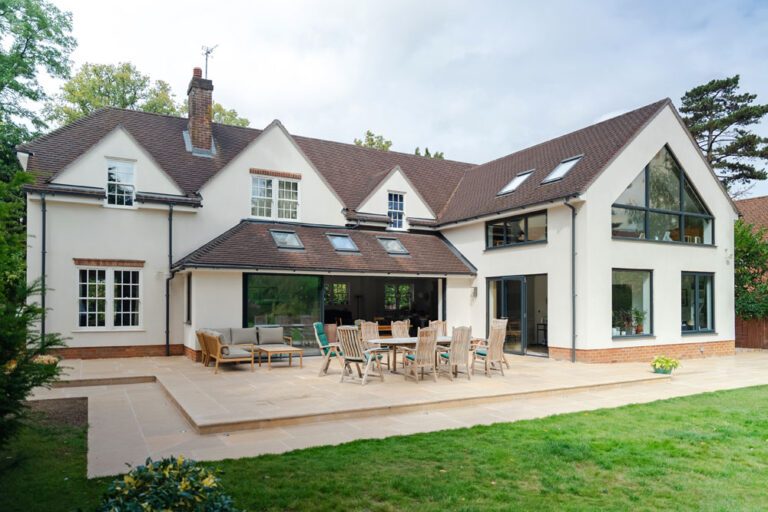
Limestone Patio with Accessible Ramp, Newbury
“Their attention to detail, superb craftsmanship on-site and great coordination with the electrical team, produced a patio that we are delighted with.”

Accessible Garden Room Clinic, Milton Keynes
“Darren and his team overcame these challenges with ease and my project was completed on time. I also used them for landscaping work and have…
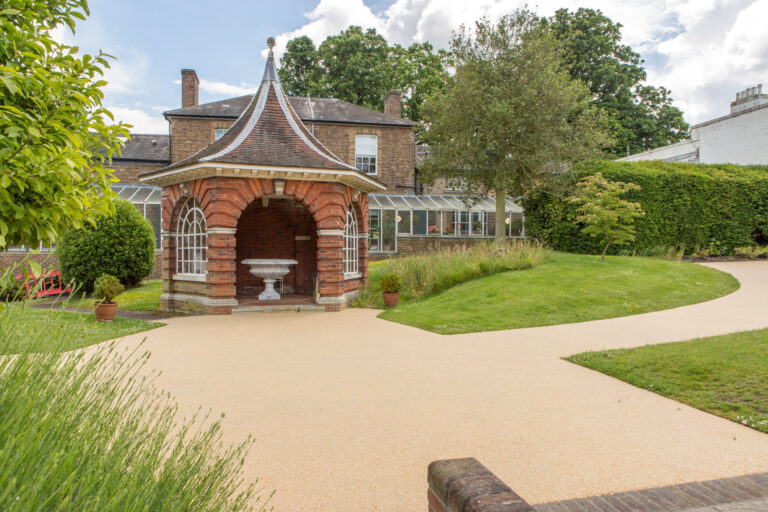
Accessible Resin Gravel Pathways, Royal Ballet School, Richmond
“The school is very pleased with the new pathways, and we’d like to thank the New Driveway Company for their careful and considerate work during…
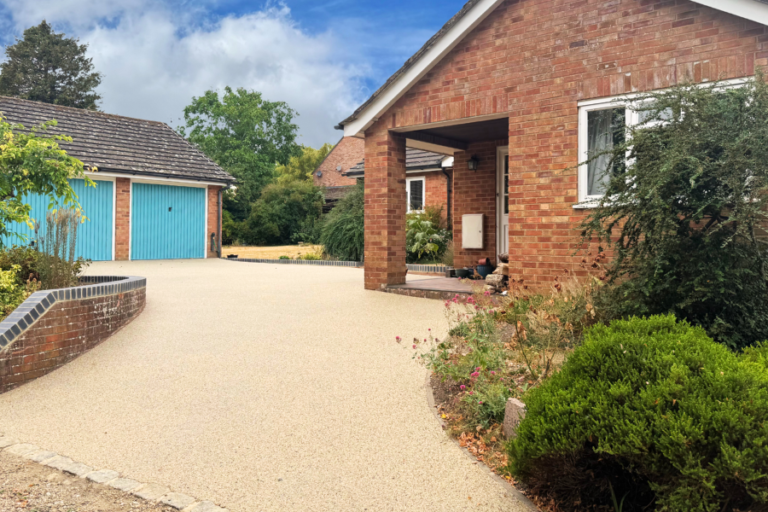
Resin Bound Gravel Driveway and Wheelchair Accessible Ramp, Didcot
“I couldn’t criticise them in any way, it was like working with friends, really good.”
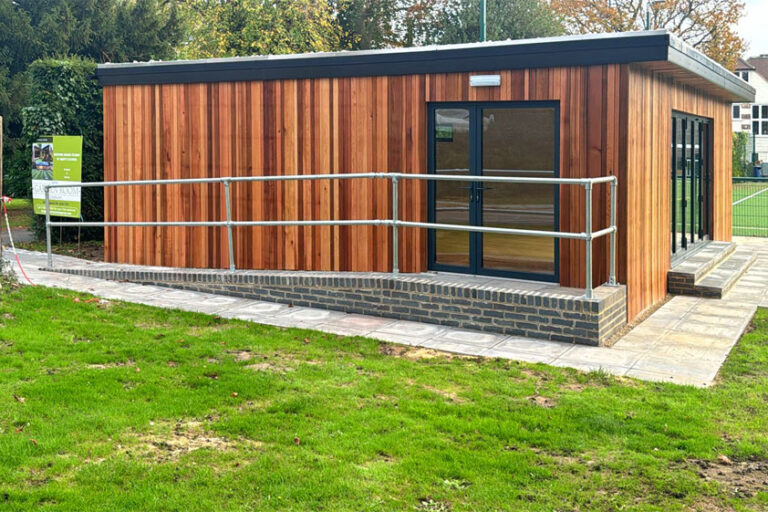
Wheelchair Access Ramp, Gerrard’s Cross
“They made the whole process very enjoyable. They were responsive and enjoyable to work with and most importantly, they delivered on time. I love the…

Garden Chill-out Room, Bletchley
Sharon contacted us to design and build a private garden chill-out room for her grandson with Autism.
Let's Create a Space That Works for Everyone
Whether you're planning a safer driveway, an accessible garden, a garden room or independent living accommodation, we'd love to hear about your project.
Together, we can create a space that's welcoming, practical and built around the people who matter most.
The Accessible Living Promise
When you choose us:
- We listen before we design.
- We design around people, not products.
- We never compromise on quality.
- We create beautiful spaces that happen to be accessible.
- We build with care, professionalism and pride.
AS SEEN IN:




THE ACCESSIBLE LIVING COMPANY IS PART OF NEW HOME IMPROVEMENT GROUP
Your home, but better