Creating calm, supportive spaces that help people relax, connect and thrive
Introduction
Our surroundings have a powerful influence on how we feel.
The spaces around us can affect:
- mood;
- confidence;
- comfort;
- concentration;
- connection with others.
For many people, having a dedicated space away from the demands of everyday life can make a meaningful difference.
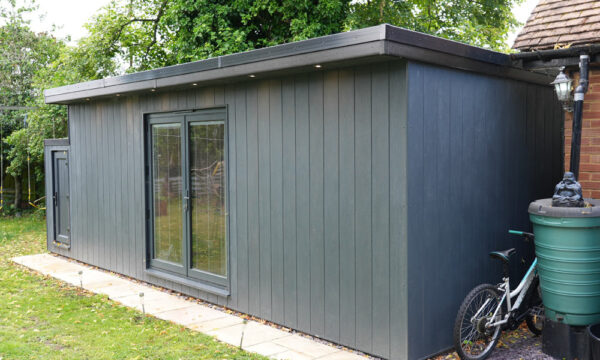
An accessible garden room can provide more than extra space.
It can become a place designed around wellbeing.
A place to:
- relax;
- create;
- connect;
- recover;
- enjoy nature.
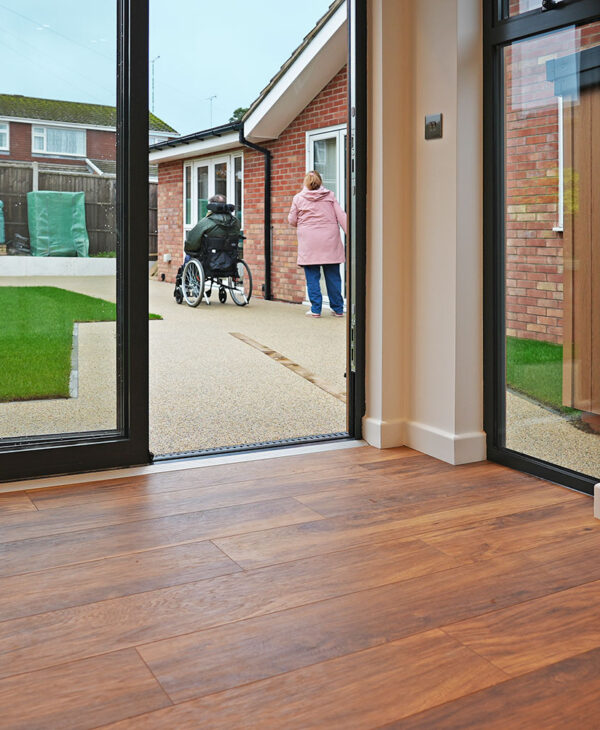
Why Spaces Matter to Wellbeing
The environment around us influences everyday life.
A well-designed space can help people feel:
Comfortable: A place that feels welcoming and familiar.
Independent: A space that supports personal choice.
Calm: An environment away from unnecessary stress.
Connected: A place where relationships can grow.
Thoughtful design helps create spaces that support how people want to feel.
What Is a Wellbeing Garden Room?
A wellbeing garden room is a space designed to support the emotional, physical and social needs of the people using it.
It may be created for:
- relaxation;
- hobbies;
- therapy;
- mindfulness;
- social connection;
- learning;
- personal reflection.
The purpose is not simply the room itself.
It is the experience the room creates.
The Importance of Natural Light
Natural light is one of the most important elements of a wellbeing space.
A garden room can provide:
- views of the outdoors;
- changing daylight;
- connection with seasons;
- a stronger relationship with nature.
Large windows, thoughtful positioning and considered design can help create a bright and uplifting environment.
Connecting With Nature
One of the greatest benefits of a garden room is its relationship with the outdoors.
Nature can provide:
- visual interest;
- calm;
- sensory experiences;
- opportunities for engagement.
A well-designed garden room should feel connected to the landscape around it.
The garden becomes part of the room.
Designing for Calm
A wellbeing space should feel comfortable and reassuring.
Consider:
Layout: Avoiding clutter and creating a sense of openness.
Materials: Using textures and finishes that feel welcoming.
Colour: Choosing tones that support the intended atmosphere.
Lighting: Creating flexibility throughout the day.
Small details can have a significant impact.
Sensory Considerations
Different people experience spaces in different ways.
Some people benefit from environments that carefully consider:
- sound;
- lighting;
- textures;
- colours;
- movement;
- personal comfort.
This is particularly important when designing spaces for:
- neurodiverse individuals;
- people with additional needs;
- older adults;
- people requiring therapeutic environments.
Garden Rooms for Hobbies and Creativity
Meaningful activities play an important role in wellbeing.
A garden room can provide a dedicated place for:
- art;
- crafts;
- music;
- reading;
- gardening;
- writing;
- collecting;
- learning.
Having space for interests can support confidence and enjoyment.


Garden Rooms for Exercise and Movement
A garden room can also support physical wellbeing.
Depending on the design, it may provide space for:
- gentle exercise;
- stretching;
- rehabilitation activities;
- yoga;
- movement programmes.
The key is creating a comfortable and accessible environment.
Garden Rooms for Social Connection
Wellbeing is closely connected with relationships.
A garden room can become a place for:
- family visits;
- community activities;
- conversations;
- shared interests.
A carefully designed space encourages connection.
Supporting Neurodiverse Needs
For some people, the environment around them can have a significant impact on comfort and confidence.
A carefully considered garden room may help by providing:
- a predictable space;
- reduced distractions;
- personal control;
- a calming environment.
Design should always begin by understanding the individual.
Accessibility Should Feel Natural
The best accessible spaces do not feel medical or institutional.
They feel:
- welcoming;
- attractive;
- personal;
- comfortable.
Accessibility is simply part of good design.
Future-Proofing Wellbeing Spaces
A well-designed garden room can adapt over time.
Today it may support:
- creativity;
- relaxation;
- family life.
Later it may support:
- changing mobility needs;
- different activities;
- additional support requirements.
Flexibility creates lasting value.
Therapeutic and Community Applications
Accessible wellbeing spaces can also benefit organisations.
Examples include:
Creating areas for:
- activities;
- relaxation;
- sensory engagement.
Providing:
- quiet spaces;
- learning areas;
- wellbeing rooms.
Supporting:
- community activities;
- inclusion;
- support programmes.
The principles remain the same:
Create spaces designed around people.

How The Accessible Living Company Can Help
We believe spaces should support the lives of the people who use them.
Our approach combines:
- accessible design
- driveway and access design
- garden room expertise
- landscaping knowledge
- understanding of wellbeing needs
We work with homeowners, families and organisations to create spaces that are practical, beautiful and meaningful.
Frequently Asked Questions
Can a garden room improve wellbeing?
A thoughtfully designed environment can support relaxation, activity, connection and enjoyment.
Are wellbeing garden rooms only for older people?
No. They can benefit people of all ages and circumstances.
Can garden rooms be designed for sensory needs?
Yes. Lighting, materials, layout and surroundings can all be considered.
Can organisations benefit from accessible garden rooms?
Yes. They can provide valuable spaces for schools, charities, care providers and community groups.
What our Customers Say...
Who We Work With
We work for homeowners and families as well as professionals and institutions, but they all share one goal; creating environments that work better for the people who use them.
Whether you're planning a private home adaptation or a large-scale commercial project, we're here to help.
Our Process
A Simpler Way to Transform Your Outdoor Space

Step One - Let's Talk
Tell us about your property, your lifestyle and what you'd like to achieve.

Step Two - Design
Our specialists create a bespoke proposal tailored to your needs.
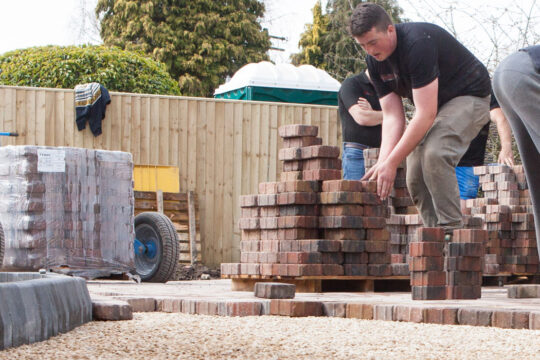
Step Three - Build
Our experienced installation teams bring your project to life with minimal disruption.
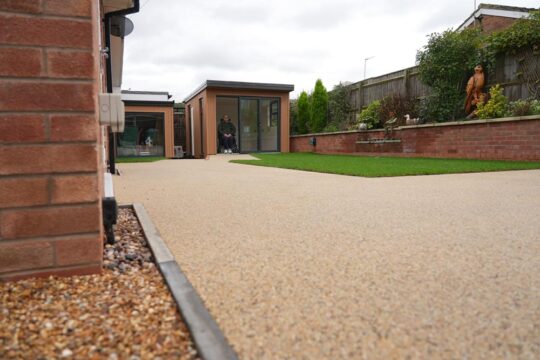
Step Four - Enjoy
Enjoy a beautiful outdoor space designed around your life for years to come.
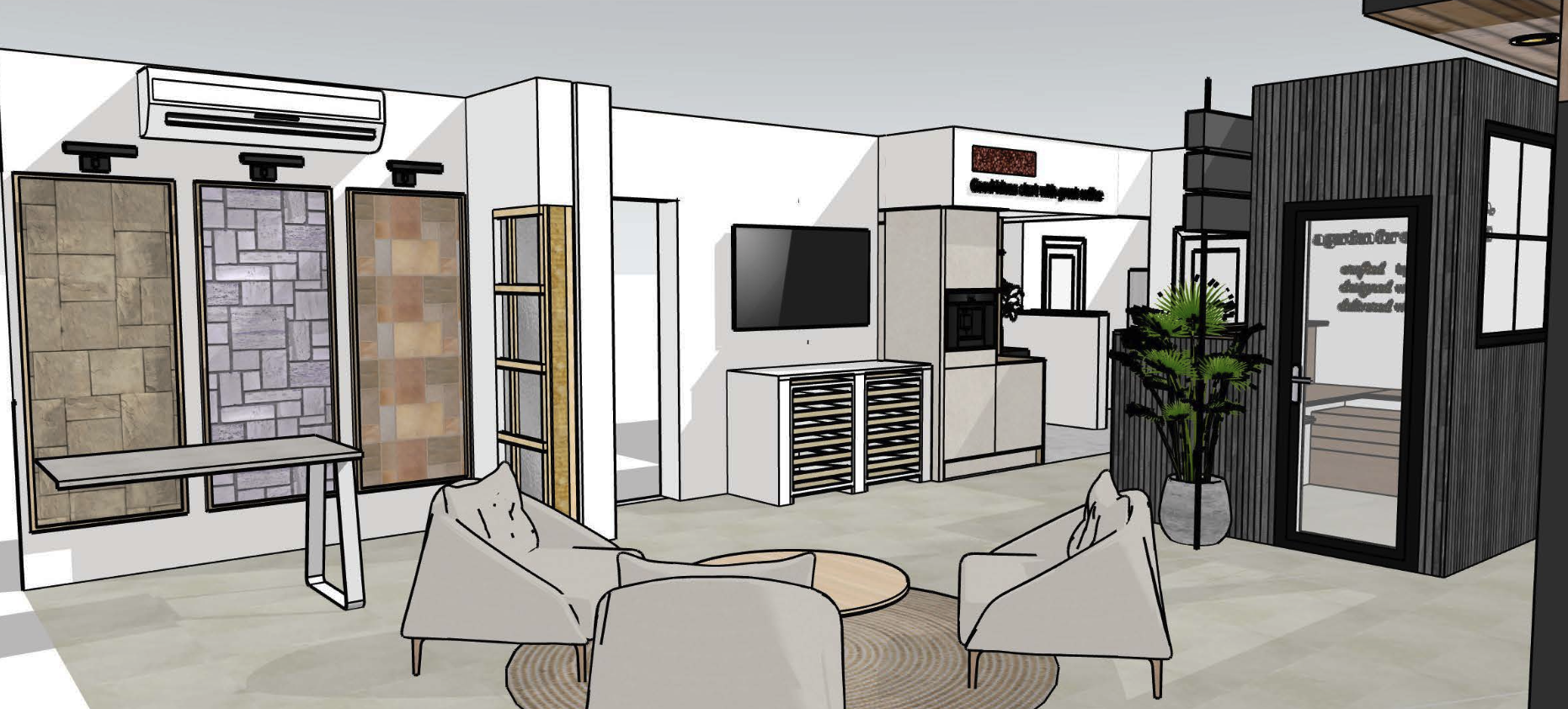
Our new Design Centre opens in October 2026
The showroom will provide a personalised design service where clients will explore large-scale samples, get inspiration and ideas, and choose concepts to develop together.
Designs are presented as 2D and 3D illustrations. In the near future, we will introduce a VR Show Stage, allowing virtual walkthroughs in real time.

Inspiration - Every project tells a different story.
Discover how we've helped homeowners, families, care providers and organisations create outdoor spaces that improve everyday living.
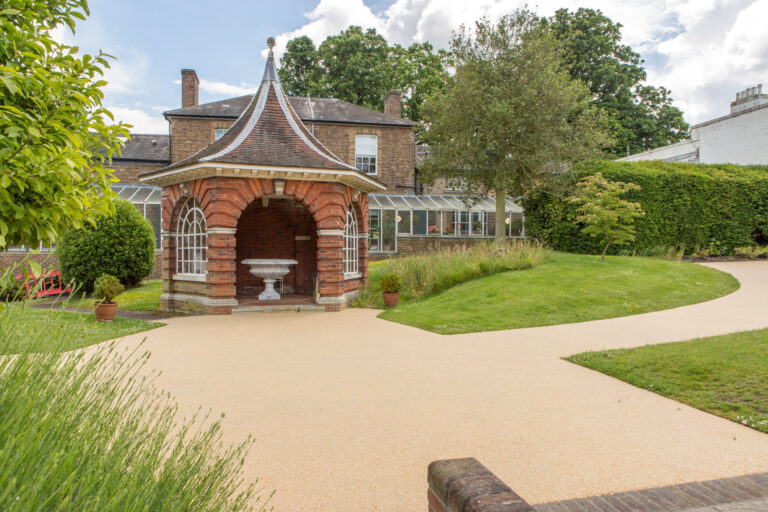
Accessible Resin Gravel Pathways, Royal Ballet School, Richmond
“The school is very pleased with the new pathways, and we’d like to thank the New Driveway Company for their careful and considerate work during…

Garden Room with Accessible Landscaping, Coventry
Building and landscaping an accessible, usable and comfortable garden space complete with Garden Room for wheelchair user Malcolm.

Accessible Resin Driveway and Porcelain Patio, Abingdon
Sarah wanted to transform her driveway and garden to create a safer, more practical and accessible space for herself and her disabled mother.
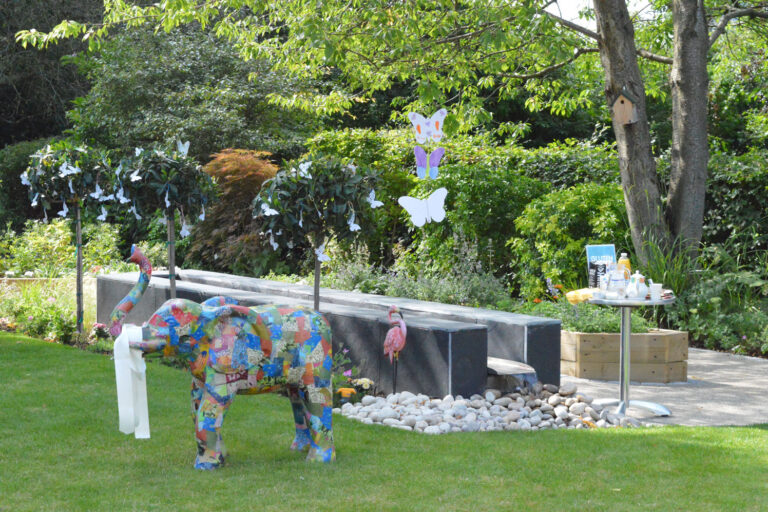
Creating a Fantastic New Garden for Helen & Douglas House, Oxford
Darren Field was called in to quote for a new garden for Helen & Douglas House Oxford, and it ended in a “DIY-SOS” style community…

DIY SOS – Contributing an Accessibility Ramp to a Bracknell Project
New Driveway Company recently had the privilege of taking part in The BBC’s DIY SOS, contributing our labour and expertise towards the transformation of a…
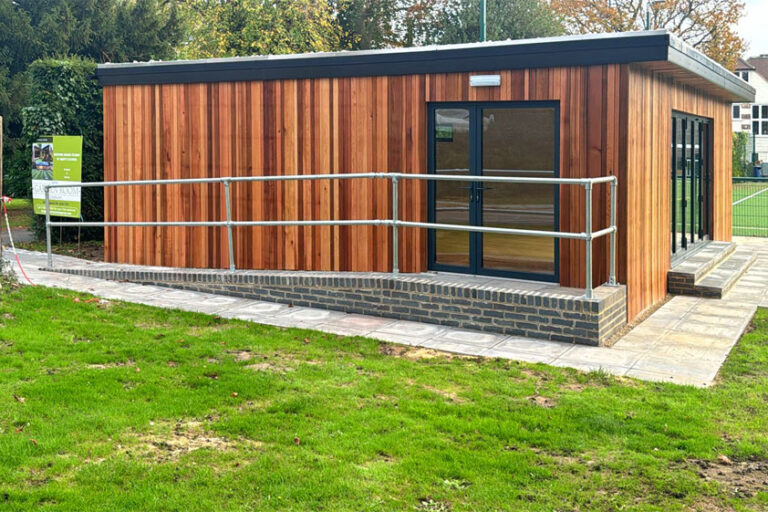
Wheelchair Access Ramp, Gerrard’s Cross
“They made the whole process very enjoyable. They were responsive and enjoyable to work with and most importantly, they delivered on time. I love the…
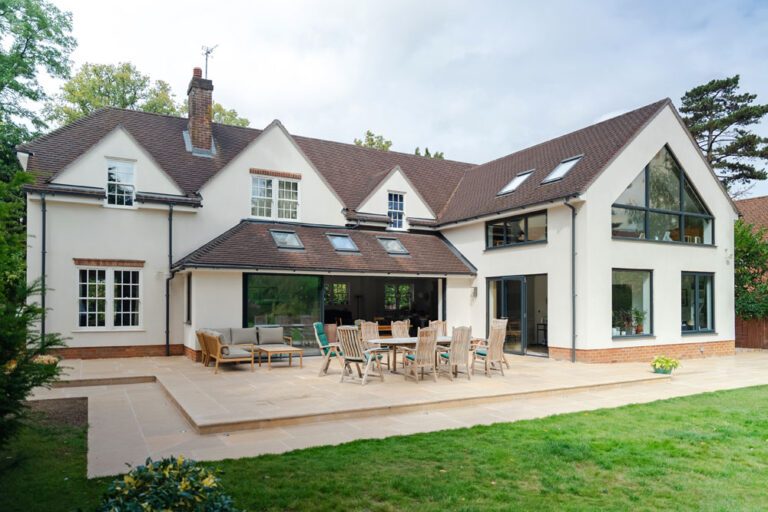
Limestone Patio with Accessible Ramp, Newbury
“Their attention to detail, superb craftsmanship on-site and great coordination with the electrical team, produced a patio that we are delighted with.”

Accessible Garden Room Clinic, Milton Keynes
“Darren and his team overcame these challenges with ease and my project was completed on time. I also used them for landscaping work and have…

Garden Chill-out Room, Bletchley
Sharon contacted us to design and build a private garden chill-out room for her grandson with Autism.
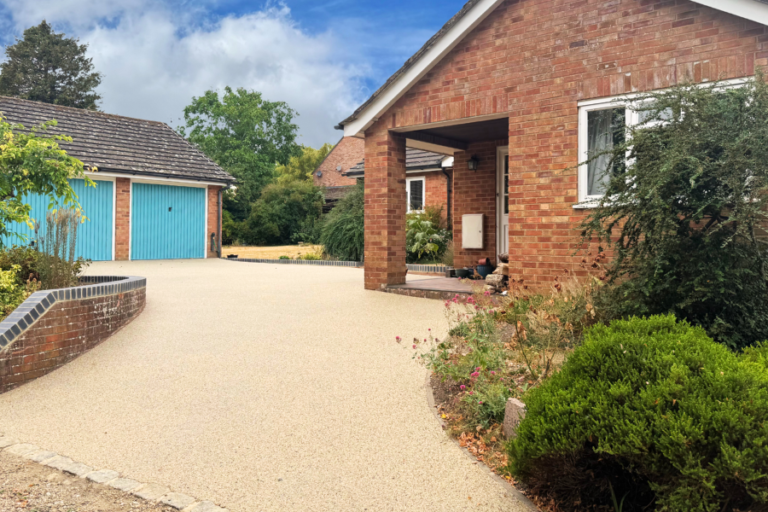
Resin Bound Gravel Driveway and Wheelchair Accessible Ramp, Didcot
“I couldn’t criticise them in any way, it was like working with friends, really good.”
Let's Create a Space That Works for Everyone
Whether you're planning a safer driveway, an accessible garden, a garden room or independent living accommodation, we'd love to hear about your project.
Together, we can create a space that's welcoming, practical and built around the people who matter most.
The Accessible Living Promise
When you choose us:
- We listen before we design.
- We design around people, not products.
- We never compromise on quality.
- We create beautiful spaces that happen to be accessible.
- We build with care, professionalism and pride.
AS SEEN IN:




THE ACCESSIBLE LIVING COMPANY IS PART OF NEW HOME IMPROVEMENT GROUP
Your home, but better